
The True Cost of Homeownership: Why New Builds Save You More Than You Think
A home’s price tag is only the beginning of what you’ll spend to own it. Mortgage payments matter, but so do utilities, maintenance, repairs, insurance, upgrades, and the money required to keep an older home comfortable as systems age.
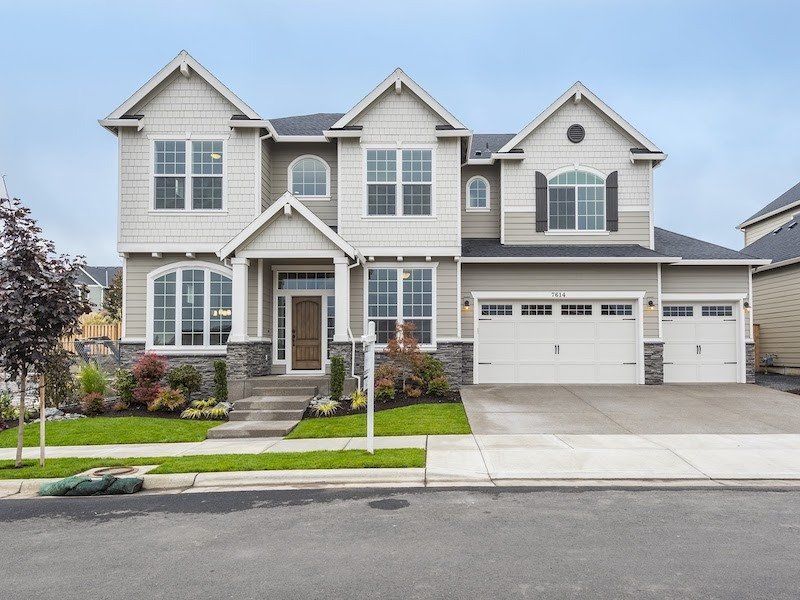
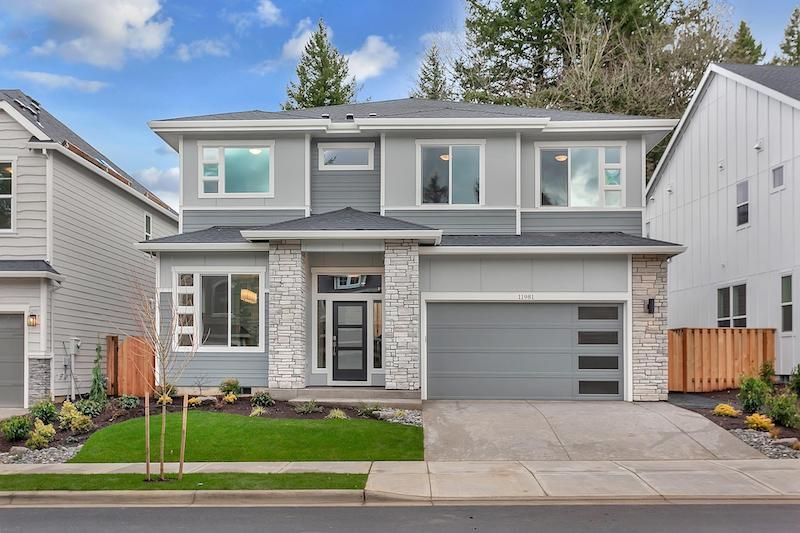
For buyers comparing new construction homes in Portland, OR with existing homes, the better question isn’t simply, “Which one costs less today?” It’s, “What will this home ask me to spend after I move in?” A well-built new home can reduce several ongoing costs and make others more predictable.
The real cost of a home goes beyond the mortgage
It’s easy to compare purchase prices because they’re visible. The costs that arrive later are more scattered: a higher heating bill, an aging water heater, drafty rooms, or a roof that moves from “probably fine” to an immediate expense.
That doesn’t mean every new build costs less than every resale home. Location, taxes, insurance, financing, and personal energy use all matter. New construction simply starts from a different place, with modern systems and fewer years of wear already built into the house.
Why new construction homes in Portland can cost less to run
Energy is one of the clearest places where home performance shows up financially. Better insulation, air sealing, efficient heating and cooling, high-performance windows, and thoughtful ventilation can reduce the energy needed to keep a home comfortable.
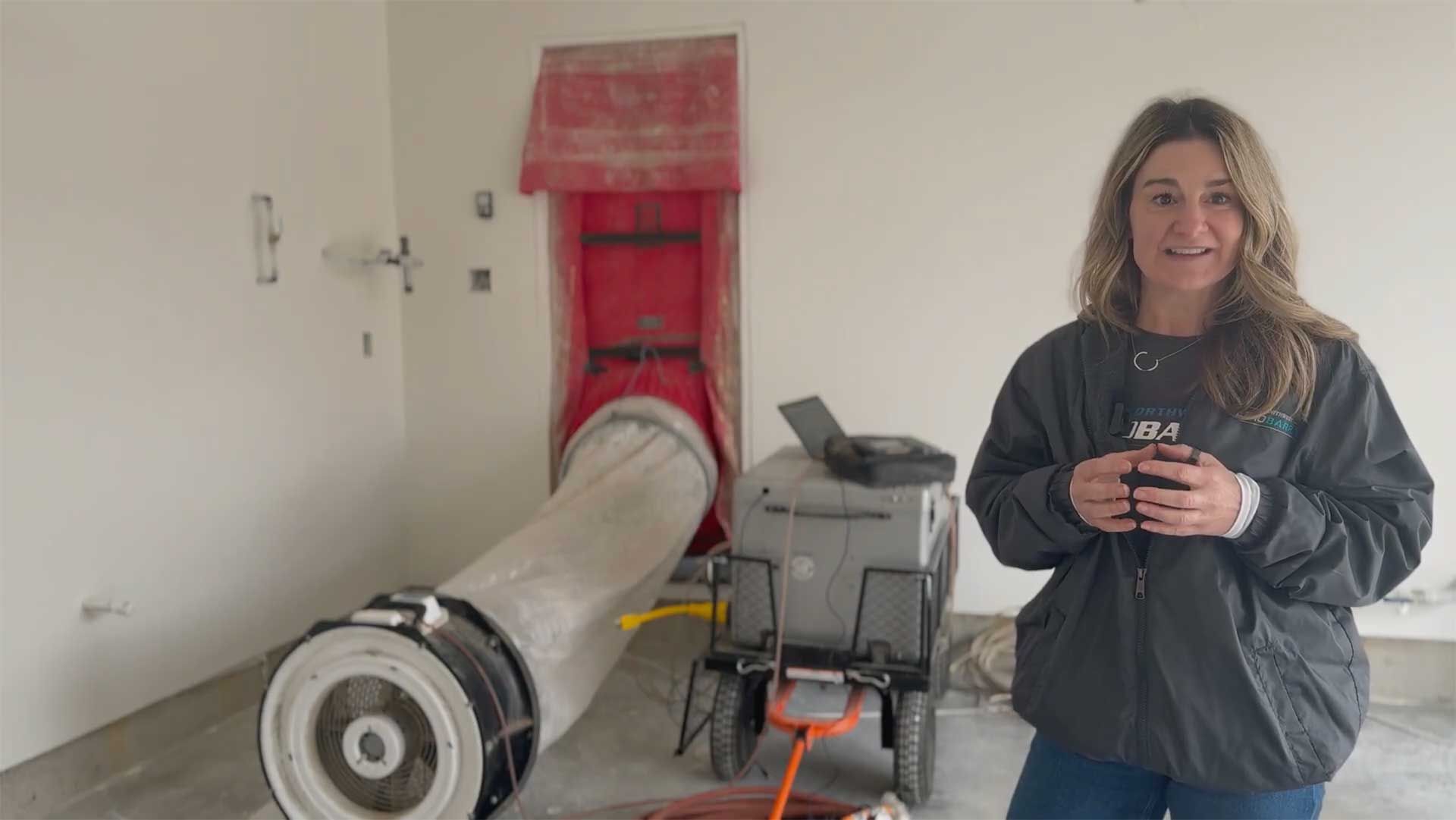
Every Noyes Development home is built with Earth Advantage Platinum certification, and many are Zero Energy Ready. Our high-performance approach also includes efficient mechanical systems, tight construction, and third-party testing and verification.
For buyers looking for energy-efficient homes in Portland, OR, those details can translate into lower energy use and more consistent indoor temperatures.
New systems mean fewer inherited replacement timelines
An older home can be well cared for and still come with systems that are partway through their useful lives. The furnace may work today, the water heater may have years left, and the roof may look fine, but future replacements become the new owner’s responsibility.
A new build starts with new major systems, roofing, finishes, and building components. That doesn’t eliminate maintenance, but it means you aren’t buying someone else’s maintenance timeline on day one.
Warranty coverage can make early ownership more predictable
Unexpected repairs are hard to budget for. Our warranty coverage includes a limited one-year warranty for many minor settling-related repairs, two years of coverage for major systems such as plumbing, electrical, and mechanical, and 10 years of coverage for major structural components.
A warranty doesn’t mean nothing will ever need attention. It means certain issues during the covered periods have a defined process instead of automatically becoming an out-of-pocket surprise.
Retrofitting an older home can add another layer of cost
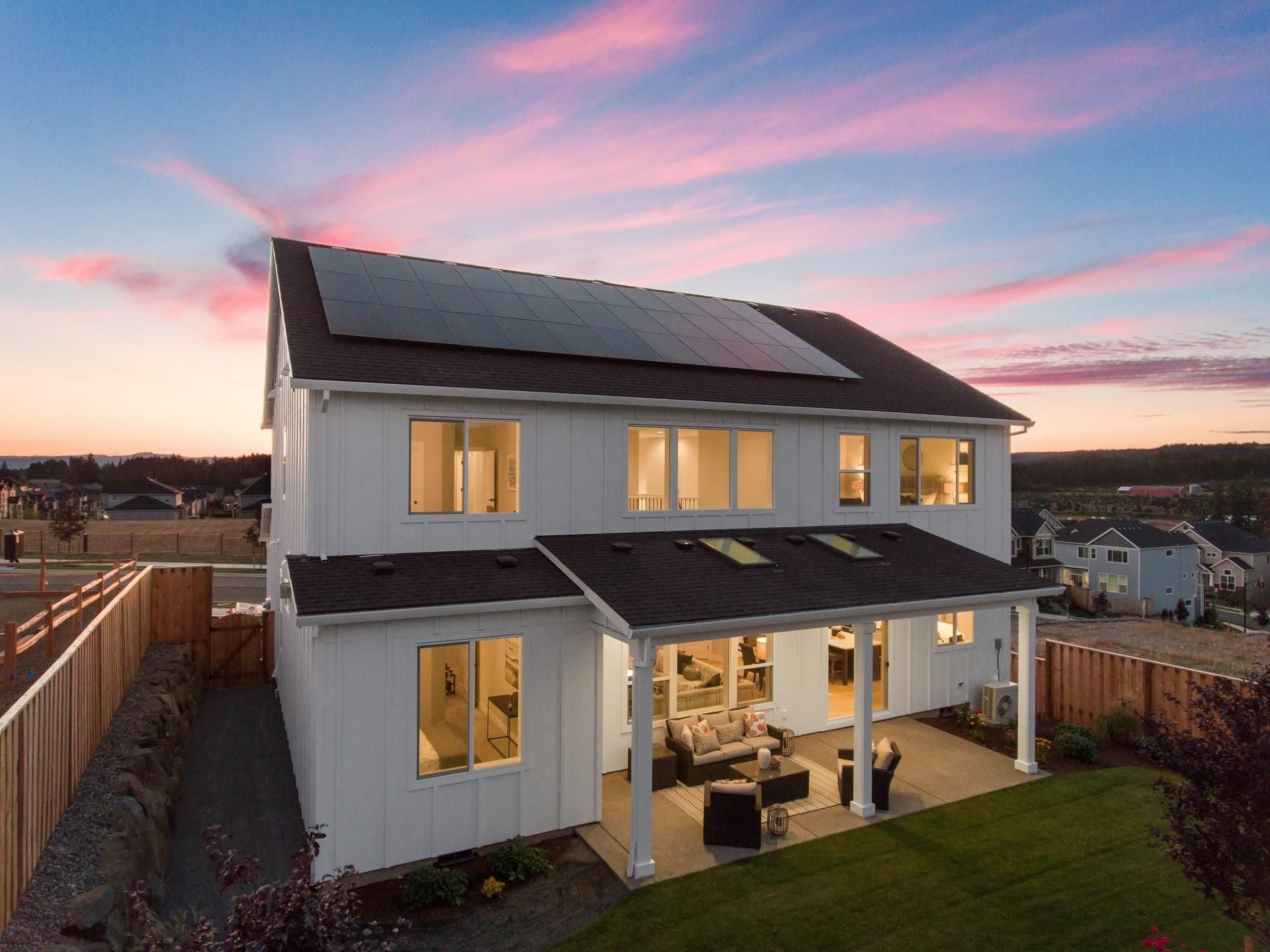
Modern households ask more from a home than they did a couple of decades ago. EV charging, solar panels, battery storage, reliable connectivity, efficient heating and cooling, and better ventilation can require upgrades when a house was never designed around them.
Our homes are planned with future performance in mind. Solar-ready construction and thoughtful electrical and mechanical planning can make later upgrades more straightforward than beginning with outdated infrastructure.
Durability belongs in the cost conversation
The cheapest material or easiest construction method isn’t always the least expensive over decades of ownership. Water management, air sealing, durable exterior materials, insulation quality, and correctly designed mechanical systems all affect how a home holds up.
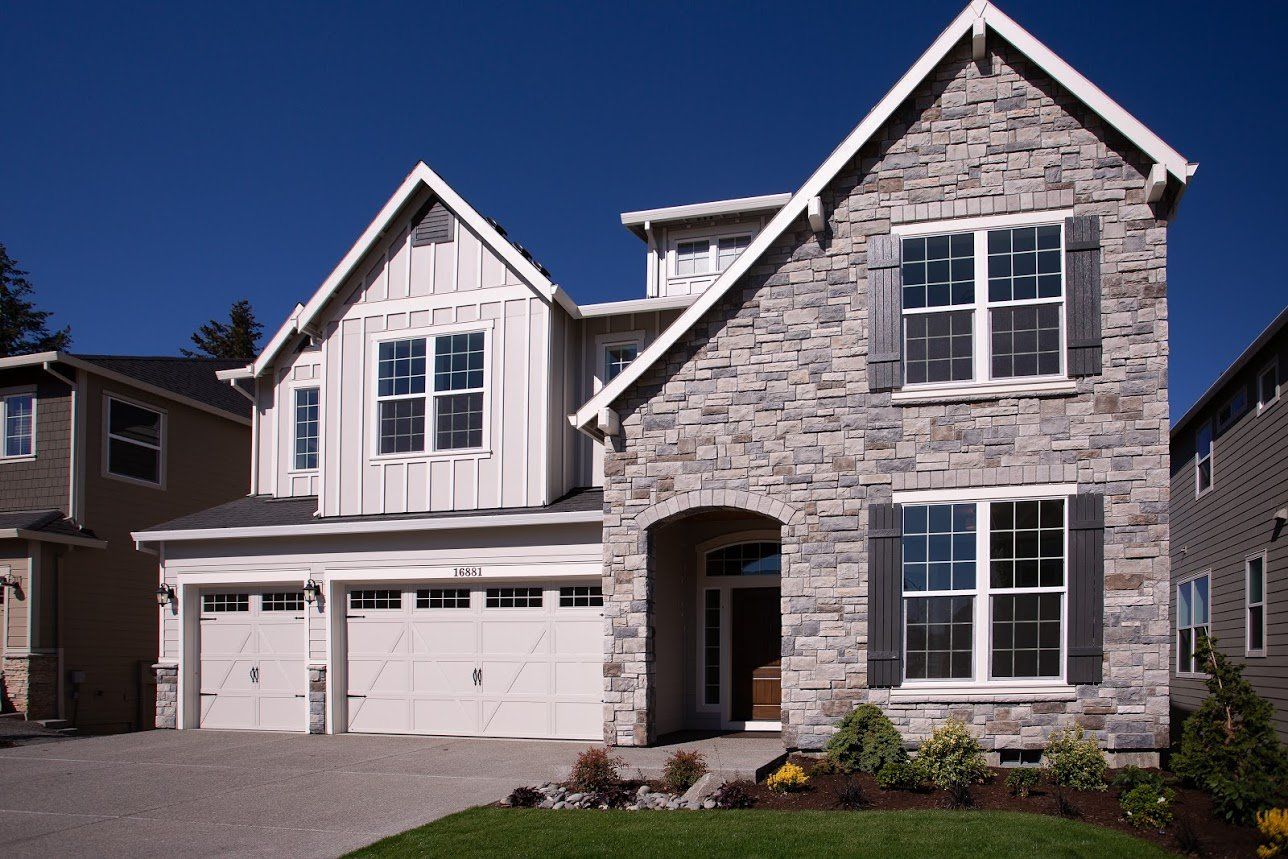
Noyes homes are built with durability alongside efficiency. Features such as rain-screen moisture management, durable exterior materials, controlled ventilation, and a carefully built envelope are intended to protect the home while improving everyday performance.
Comfort can affect what you spend, too
An inefficient house can require extra fixes just to feel comfortable: running the heat longer, adding portable equipment, replacing windows, or upgrading systems to reduce temperature swings between rooms.
High-performance construction tackles comfort at the building level. Better insulation, a tighter envelope, efficient HVAC equipment, and planned ventilation work together instead of asking individual fixes to compensate for a poorly performing shell.
In Portland’s wet winters, warmer summers, and smoky periods, that kind of performance can make daily life more comfortable as well as more efficient.
New construction can reduce the urge to remodel right away
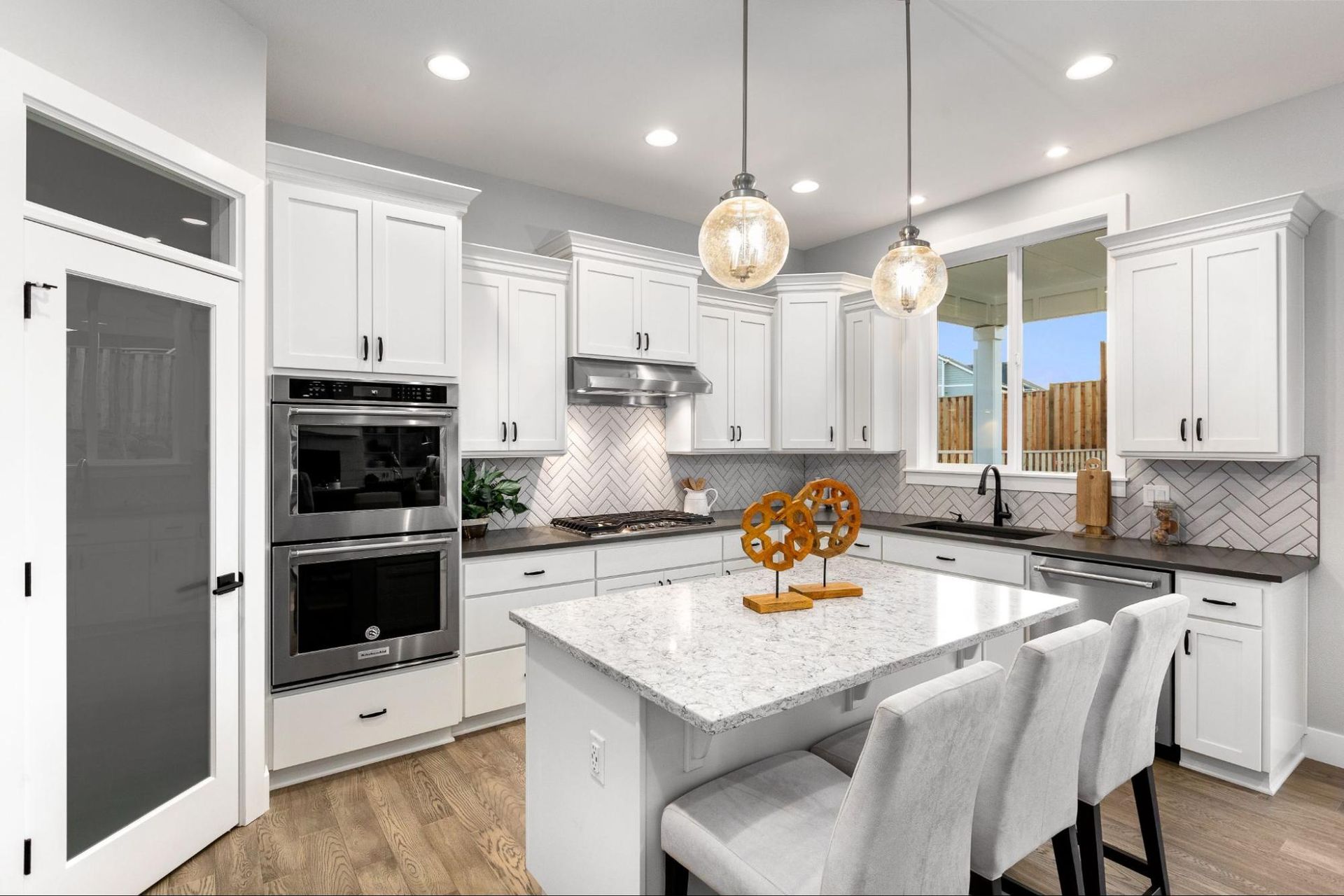
Resale homes often come with another expense: changes buyers want to make immediately. A dated kitchen, an awkward office setup, insufficient outlets, old finishes, or a floor plan that doesn’t match your routine can create a second budget after closing.
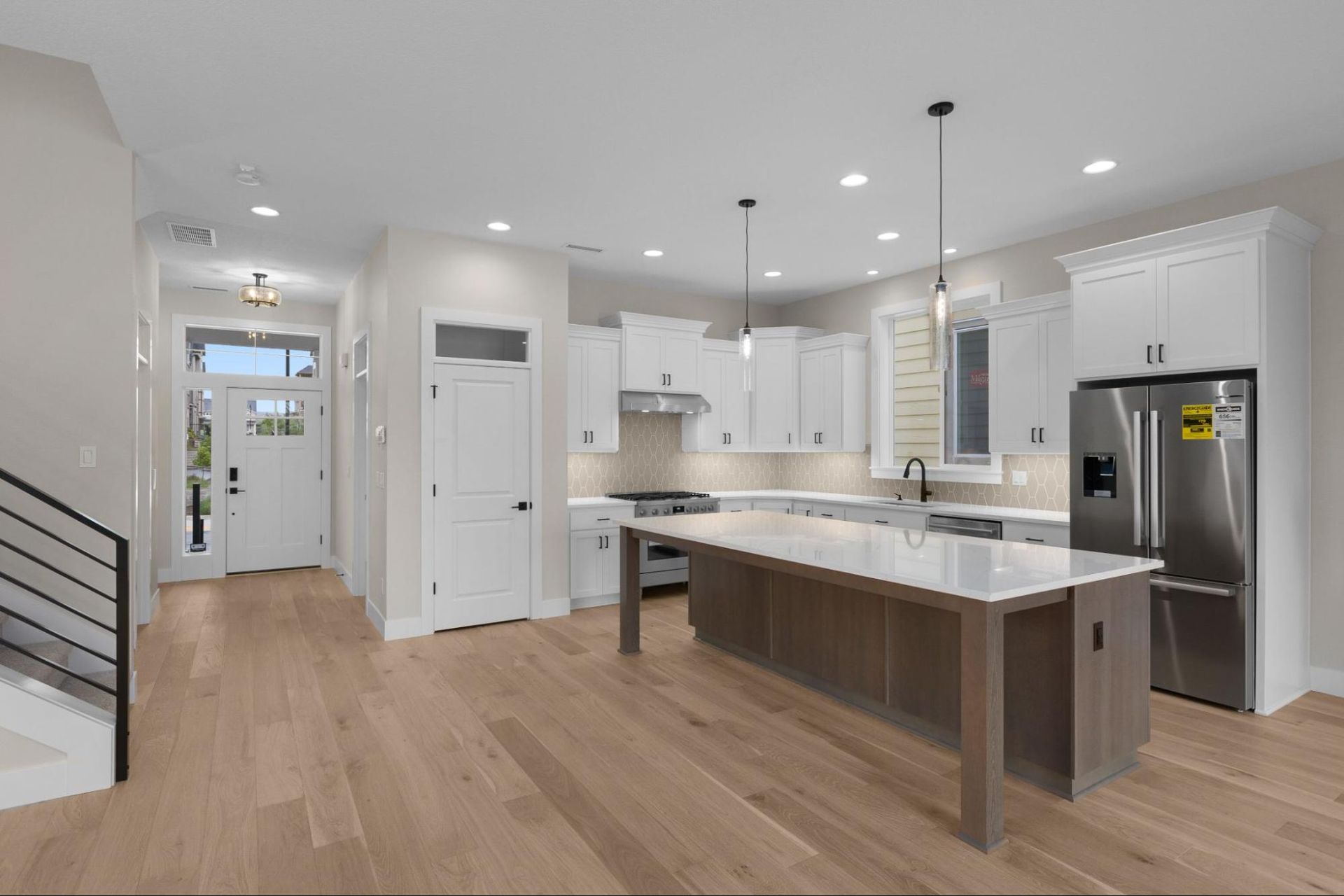
With our semi-custom home process, buyers who get involved early can choose from available materials, cabinetry, appliances, and layouts before the home is finished. That can reduce the need to pay for a finished feature and then pay again to replace it.
Compare more than the asking price
Before deciding which home offers better value, compare:
- Monthly energy and utility costs
- Near-term repairs and replacement needs
- Warranty coverage
- Renovations or technology retrofits you expect to make
- Routine maintenance and long-term durability
Then add the costs that apply regardless of age, including financing, taxes, insurance, HOA fees where applicable, and moving expenses. A new build can create savings in several categories, but the full calculation should still reflect your budget and how you plan to live.
Long-term value starts with what is built in
The strongest argument for new construction isn’t that nothing will ever cost money again. It’s that the home starts with modern systems, current performance standards, new components, and fewer immediate projects competing for your budget.
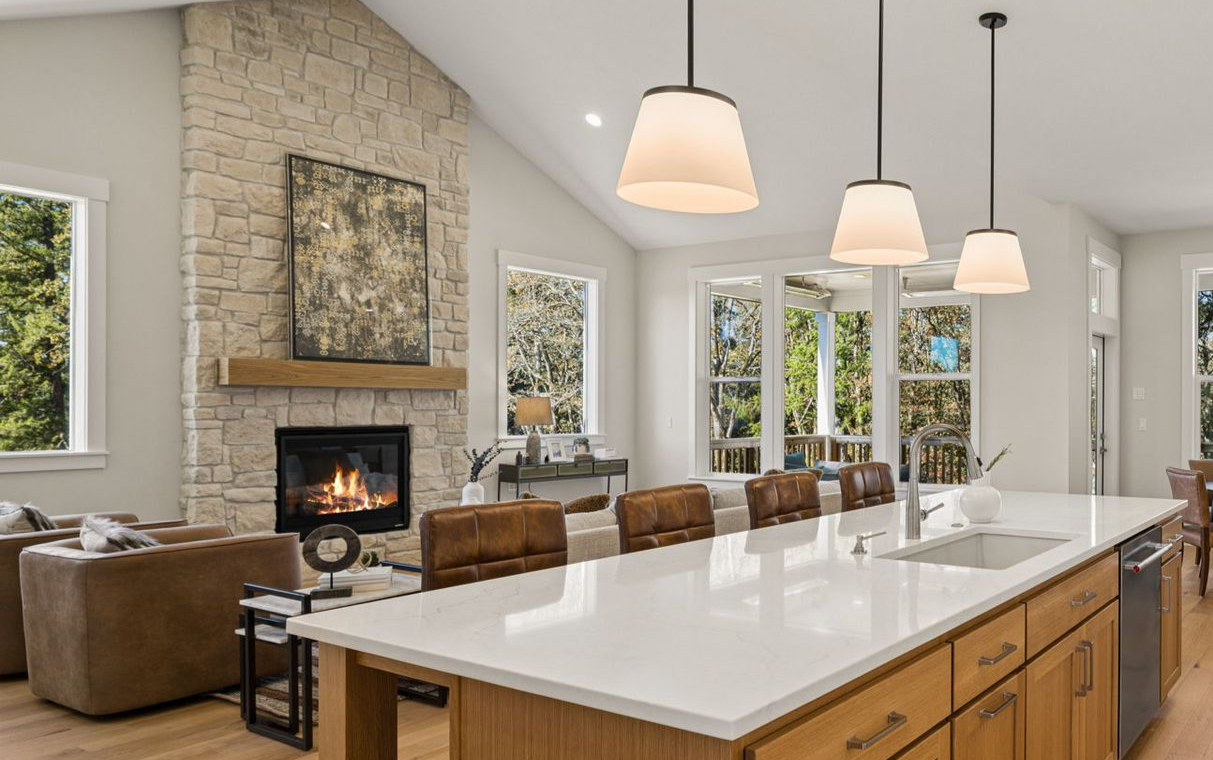
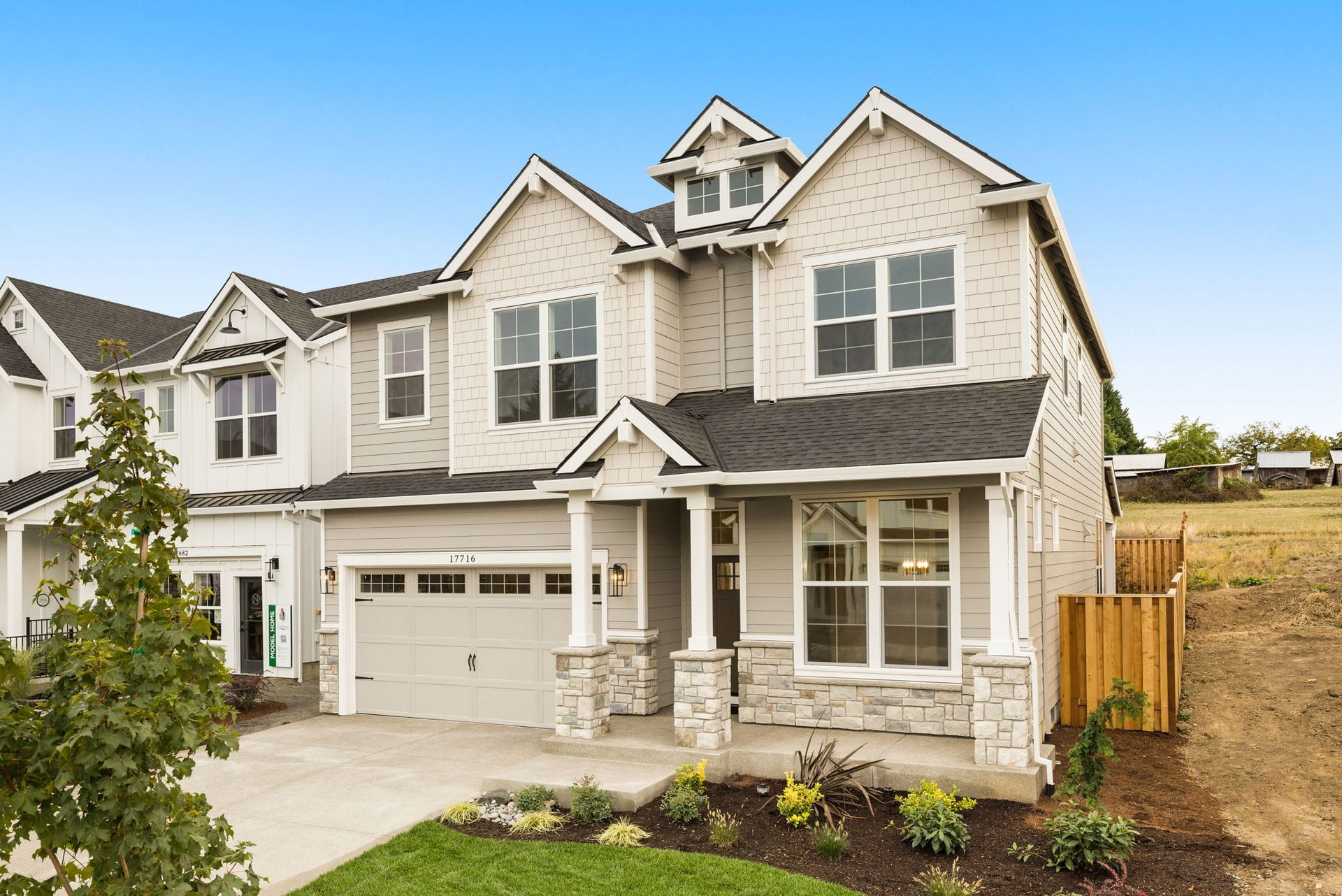
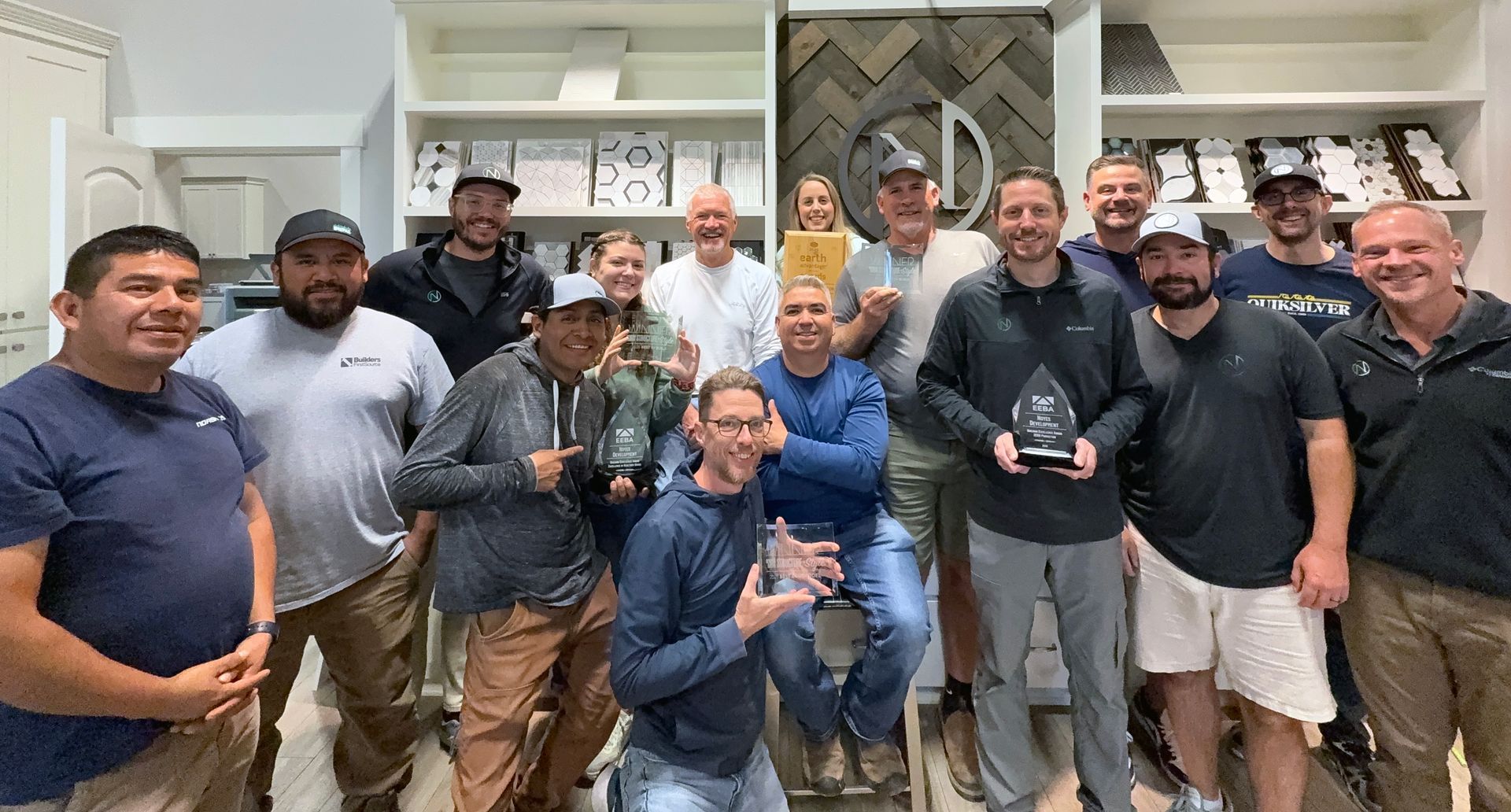
For buyers considering new homes in Portland, OR, Noyes Development combines energy efficiency, durability, comfort, and long-term planning with the finishes and design people expect from a luxury home. We’ve been building locally since 1993, and our approach considers how a home performs after move-in, not only how it looks on closing day.
Explore our current communities to compare available homes and locations. Call (503) 466-9191 or contact us online to start a conversation about a Noyes home.