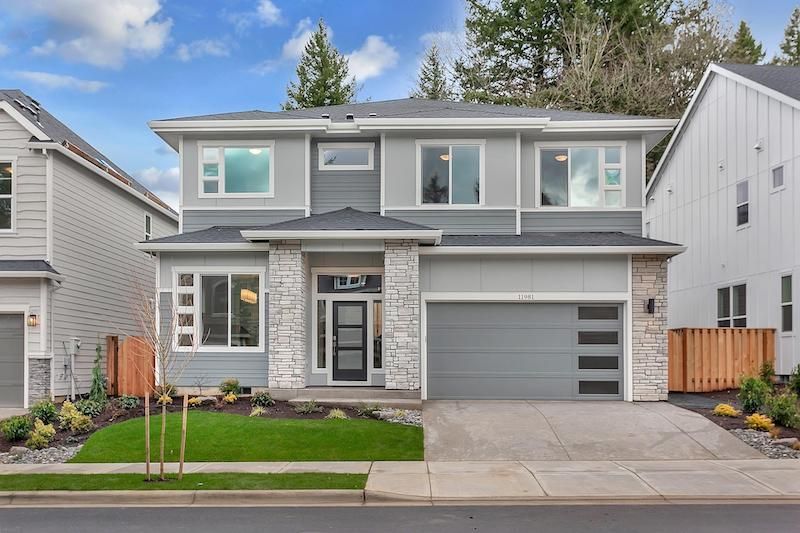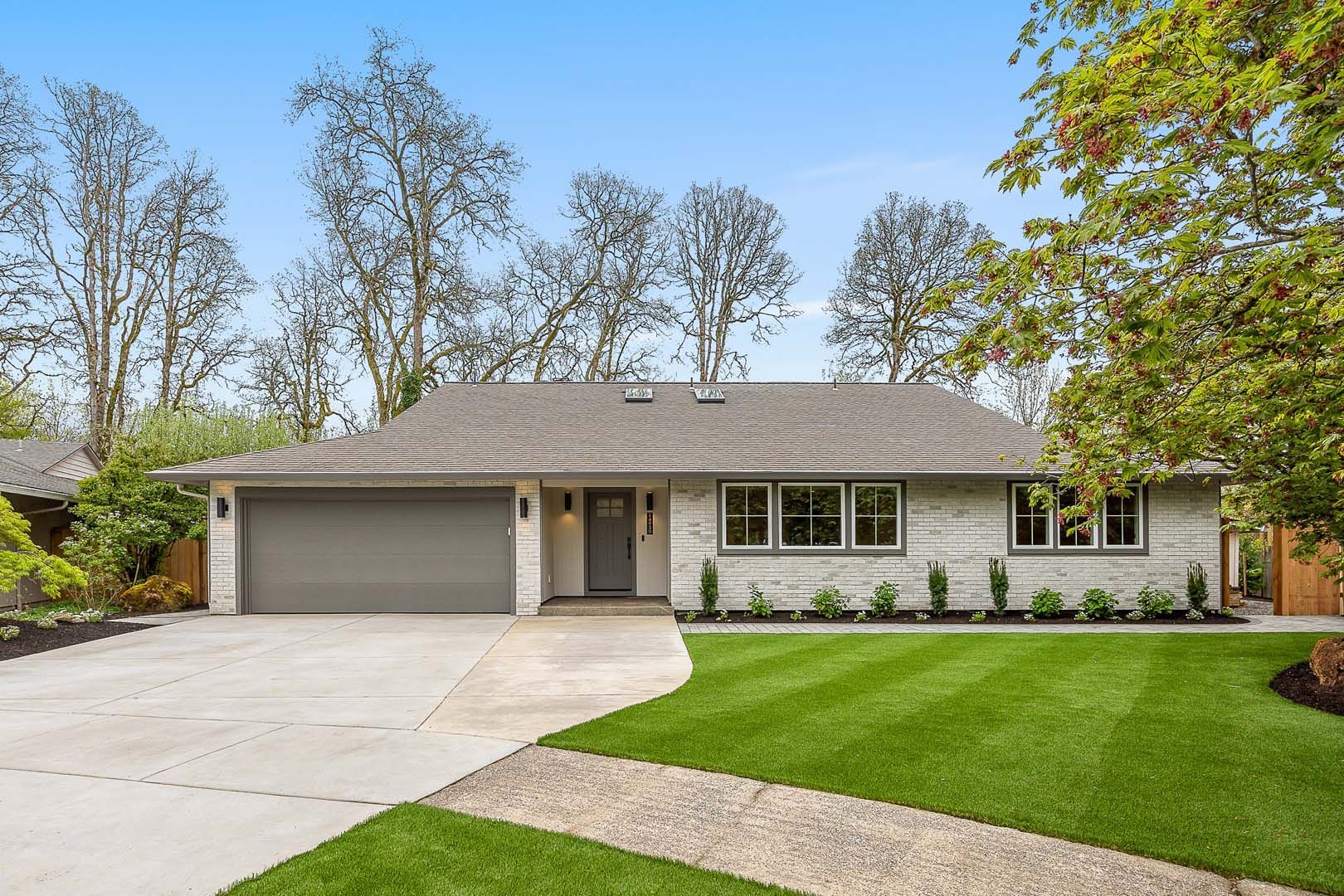

Which Homebuilding Trends Are Worth Your Attention? Here’s What to Know
The homebuilding industry is in the middle of a revolution. What worked five years ago won't cut it today, and what's cutting-edge now will be standard tomorrow. The best builders are pushing boundaries, incorporating innovations that seemed like science fiction just a few years ago. But here's the catch: not every trendy feature is worth your investment, and some of the most valuable innovations might not be the flashiest ones on the showroom floor.
Whether you're a first-time buyer or upgrading to your forever home, knowing which homebuilding trends actually matter will help you get inspired and make a choice you'll love for decades to come.
Sustainable building practices are no longer optional
Sustainability has moved from a nice-to-have feature to an essential expectation. Today's world is increasingly environmentally conscious, and people are looking for homes that reduce energy consumption and minimize environmental impact. This shift means that green building practices should be integrated into your standard operations rather than treated as premium upgrades.
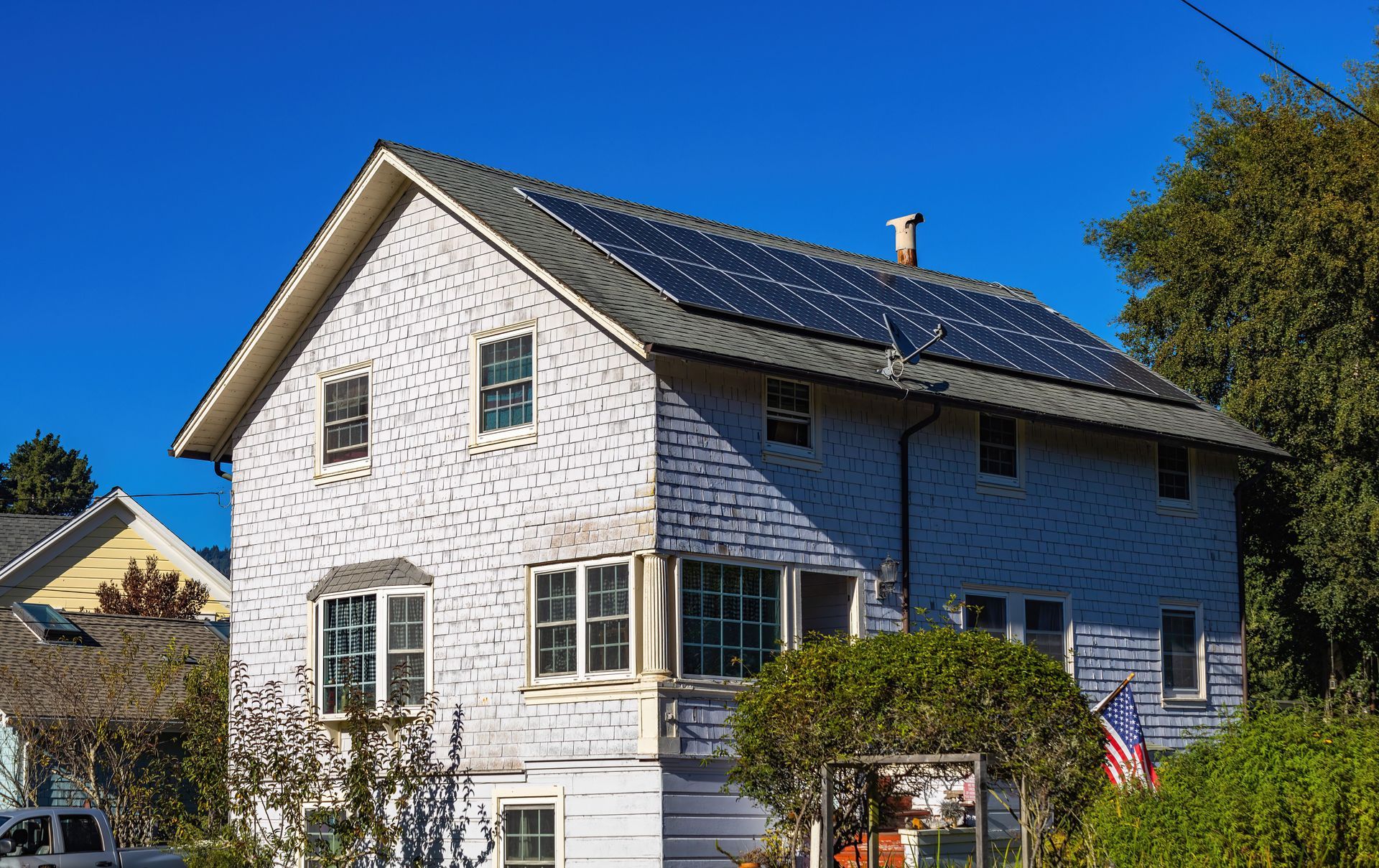
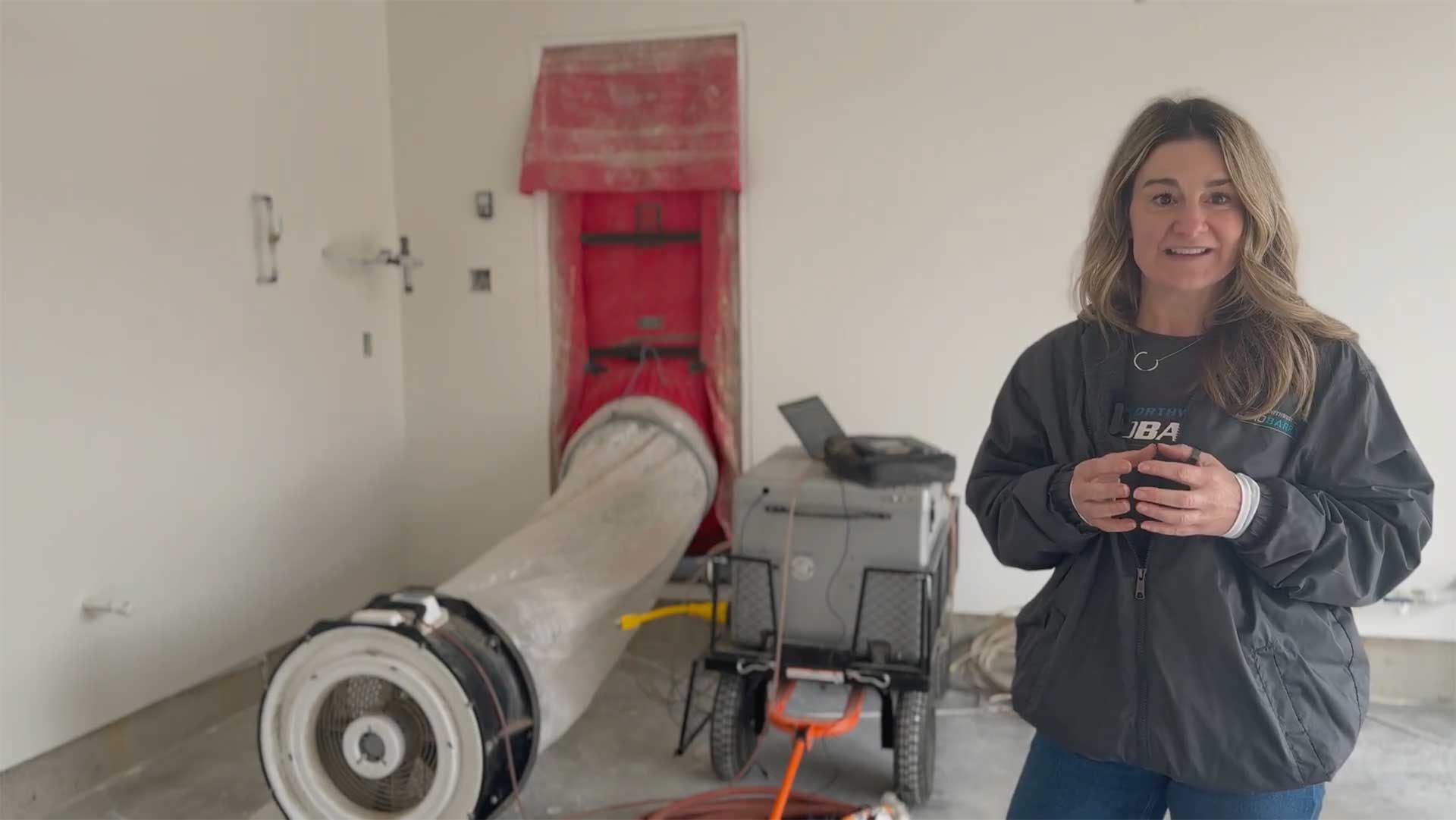
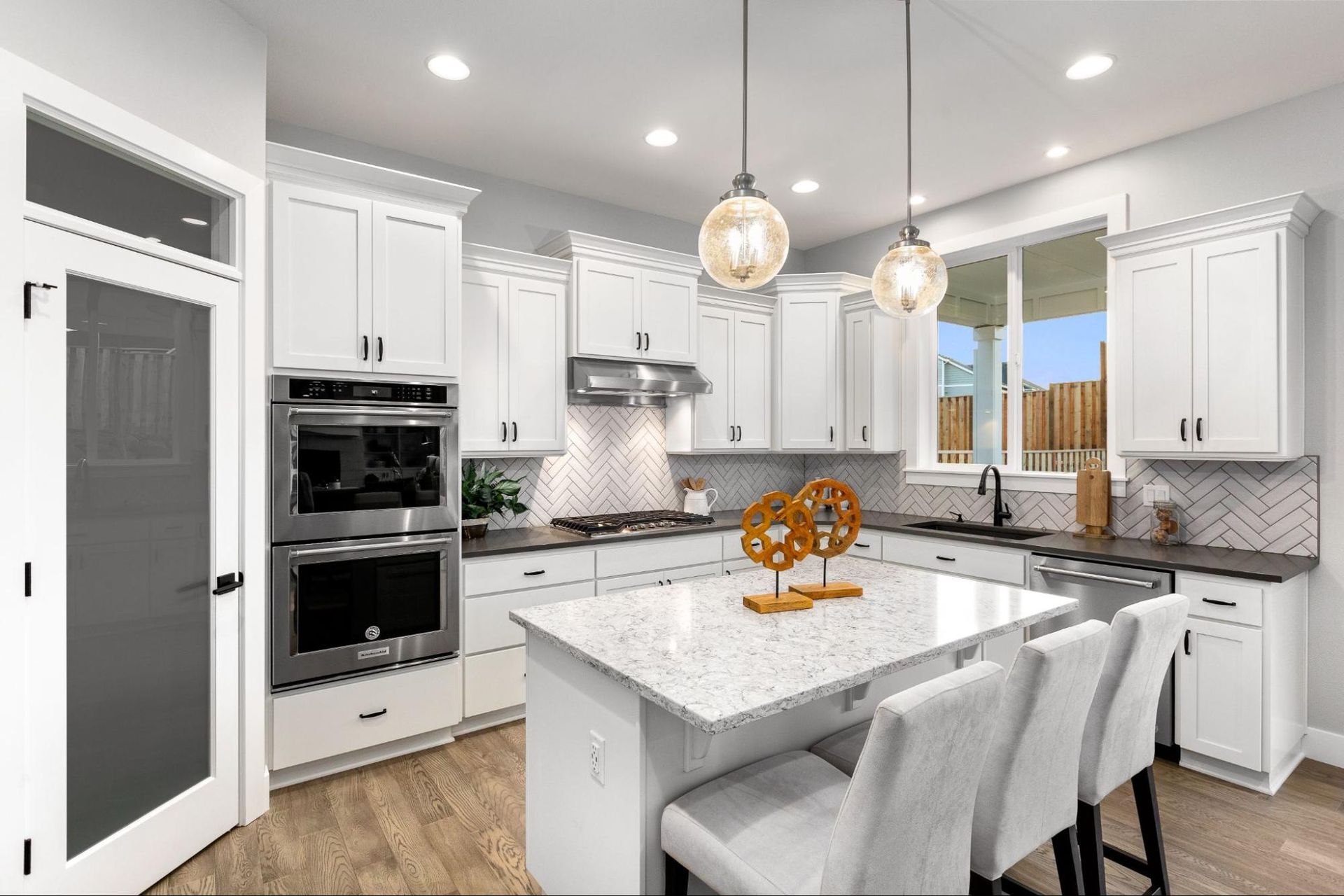
Energy-efficient features like high-performance insulation, triple-pane windows, and advanced HVAC systems provide tangible cost savings on utility bills. Solar panel readiness or installation is becoming standard in many markets, particularly in regions with strong sun exposure. Additionally, water conservation features such as low-flow fixtures, rainwater collection systems, and drought-resistant landscaping are gaining traction, especially in areas facing water scarcity.
Many local governments now offer tax incentives, rebates, and expedited permitting for green construction. Furthermore, homes with energy-efficient certifications like LEED or ENERGY STAR often command higher resale values, making them an easier sell to cost-conscious buyers who understand long-term value.
Smart home technology is expected, not exceptional
The modern home is increasingly connected, with smart technology being integrated from the start rather than retrofitted later.
Smart thermostats, security systems, doorbell cameras, and lighting controls have transitioned from luxury items to standard expectations. Voice-activated assistants and whole-home automation systems are becoming increasingly common. The key is to ensure homes have the necessary infrastructure — robust Wi-Fi networks, sufficient electrical capacity, and proper wiring — to support these technologies both now and in the future.
This approach provides flexibility while future-proofing your builds. As technology continues to evolve rapidly, building homes that can adapt to new innovations will become a significant selling point.
Flexible and multi-functional spaces are essential
The way people use their homes has fundamentally changed, largely accelerated by the shift toward remote and hybrid work arrangements. This has created strong demand for flexible spaces that can serve multiple purposes throughout the day and adapt to changing life circumstances.
Thoughtful home office spaces include proper lighting, sufficient electrical outlets, soundproofing considerations, and dedicated internet connectivity. Many people also appreciate spaces that can transition from work to leisure, such as offices that double as guest rooms or hobby spaces.
Multi-generational living is another driver of flexible design. More families are choosing to live with aging parents or adult children, creating demand for homes with separate living quarters, additional bathrooms, or main-floor bedroom suites.
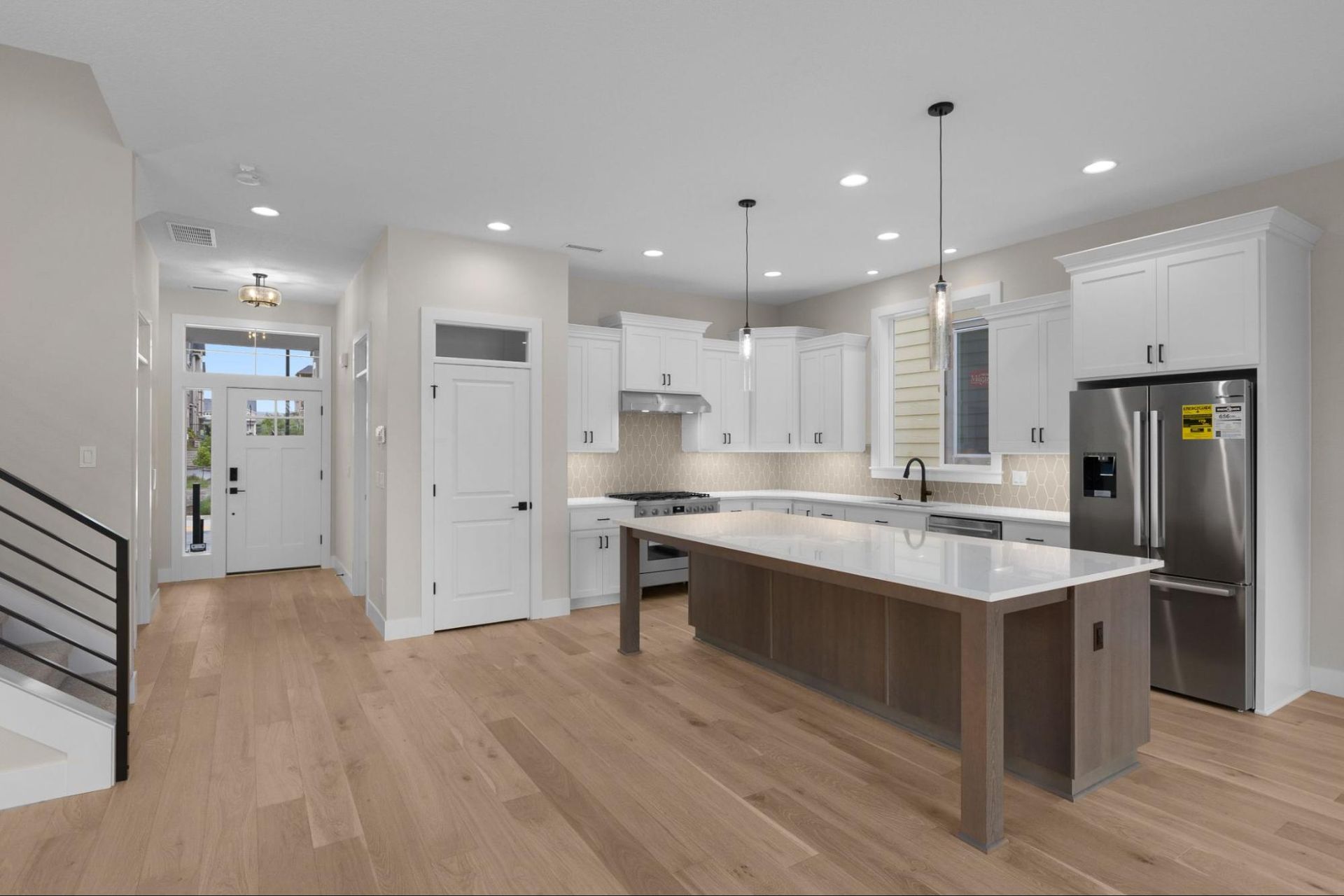
Open floor plans remain popular, but there's growing appreciation for designs that balance openness with defined spaces. Strategic use of sliding doors, pocket doors, or movable partitions allows homeowners to adapt their space based on immediate needs, whether that's creating privacy for a video call or opening up for entertaining.
Outdoor living spaces continue to expand
The outdoor areas of a home have become extensions of the living space rather than afterthoughts, especially in places like Oregon.
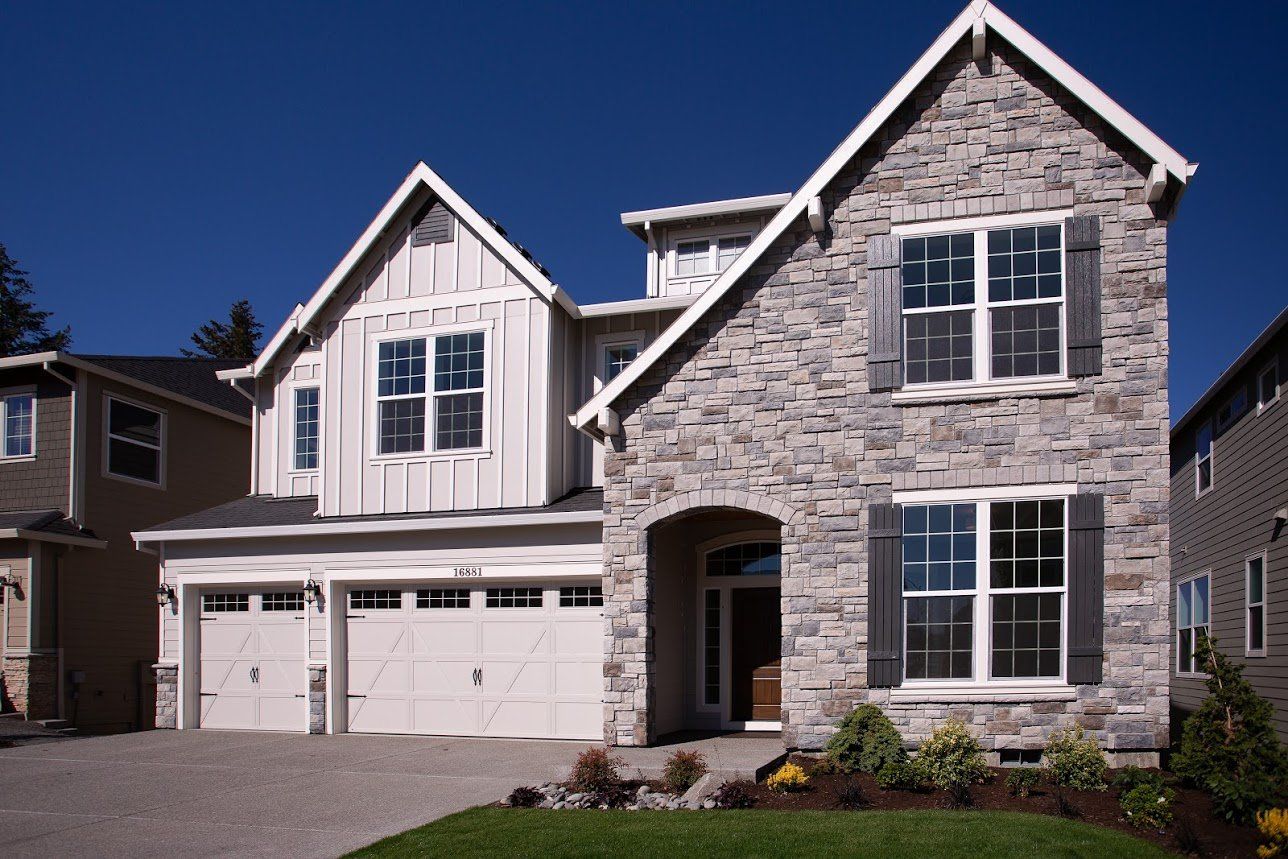
Covered patios, outdoor kitchens, and fire pit areas are increasingly standard in new construction. These features transform backyards into year-round living spaces that significantly enhance a home's usable square footage. In urban or suburban settings where lot sizes may be smaller, maximizing outdoor space becomes even more critical to overall home appeal.
Consider how outdoor spaces connect to the interior. Large sliding or folding glass doors that create seamless indoor-outdoor transitions are highly desirable. Additionally, outdoor spaces that offer privacy through strategic fencing appeal to buyers who want to enjoy their outdoor space without feeling exposed to neighbors.
The bottom line
The homebuilding trends worth your attention share a common thread: they respond to fundamental shifts in how people want to live, work, and interact with their homes. Sustainable building practices, smart technology infrastructure, flexible spaces, enhanced outdoor areas, and wellness features are no longer niche requests but mainstream expectations.
The right home shouldn't just meet your needs today; it should adapt and grow with you for years to come. By focusing on these meaningful trends rather than fleeting fads, you'll invest in a home that delivers real value, comfort, and functionality that stands the test of time.
Ready to find a home built for modern living?
At Noyes Development, we set the trends. Our homes incorporate the innovations that truly matter, from energy-efficient design and smart home infrastructure to flexible spaces that adapt to your lifestyle. We believe your home should work as hard as you do, supporting your life today while being ready for whatever tomorrow brings.
Curious about what makes a Noyes Development home different? Let's talk about building your future. Contact us today to explore our current projects and discover how we're redefining what home means.